
Key takeaways
- One place where signals, cameras, sensors and incident reports come together, instead of each system being watched separately.
- Three to five months is the realistic software timeline; hardware and civil work usually set the real date.
- The number of existing systems that must feed the centre predicts the schedule better than its size does.
- Whether existing signals and cameras expose their data is the first thing to establish — before any procurement.
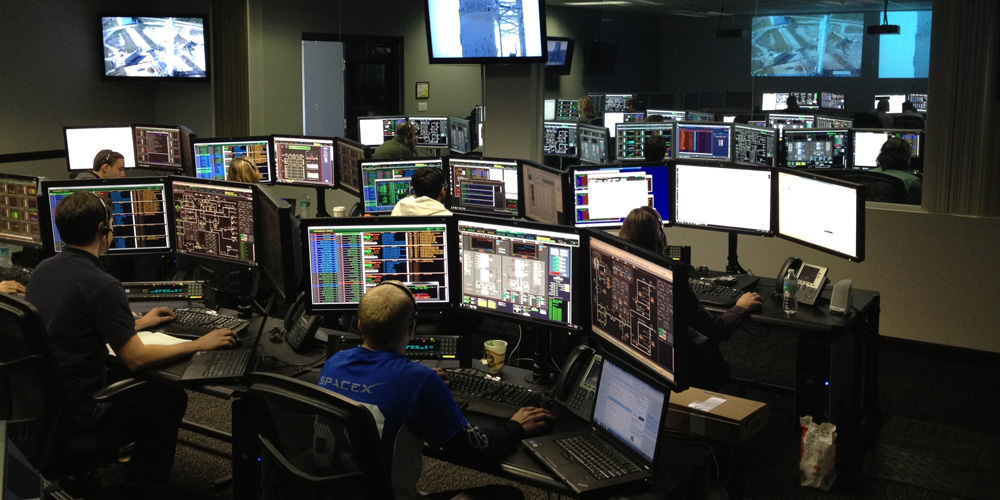
DECK IT, Ahmedabad, builds traffic command and control centre software that gives transit and traffic authorities live monitoring and faster decisions, typically deployed in 3–5 months. Traffic Management is an essential part of modern mobility solutions. Traffic Command and Control helps monitor and control various modes of transport in avoiding traffic congestion and facilitating smoother flow. In a news report published by Business Today, people in Bangalore spend an average of 243 hours a year in traffic. As per the findings of a Netherlands-based company, many of the Indian Cities, including Bangalore, Mumbai, Delhi, Pune, etc., have road congestion levels ranging from 55 % to 70 %. Our Traffic Command & Control solutions can help in the effective management of traffic within the available infrastructure. Next-generation traffic management combines adaptive signal control, video surveillance and violation cameras, automatic number plate recognition and an online offences system, all run from one command and control centre. Operators see the whole network live, signals respond to the traffic actually on the road, and violations are recorded and processed without paperwork. Irregulated traffic leads to traffic jams & bottlenecks, which in turn have a domino effect on various other walks of life. Adaptive traffic control systems facilitate a smoother flow of traffic and safer roads. The system adapts to the changing traffic conditions and by adjusting traffic signals. This smart solution enables centralized monitoring and control. Identifying the traffic violators and prompt issue of fines and challans is another challenge. Manual handling leads to many violators evading being caught, and the penalty collection process is also cumbersome. Our Traffic Command & Control solution offers features like Automatic number plate recognition, Red-light violation detection, Speed limit violation detectors, etc., that help in identifying the violators and ensure safer roads. Online payment mechanisms are integrated for penalty collection. Because jams and bottlenecks spread: one blocked junction delays buses, deliveries and emergency services across the city. A command centre gives the traffic authority one live picture of the network, the means to act on it through signals and signage, and the data to plan from, instead of reacting to each problem separately. It is aimed at more efficient use of mobility networks, improved traffic safety, and reduced impact on the environment. Solution is built around a central software system. On one end, the information about the traffic situation is received from various sensors and sources. Other end, it engages actively in influencing the traffic via signals, signage, and other means. This information can be passed on to road users, police, and other stake holders. Start with an inventory of what is already on the roads: which signals and cameras are installed, whether they expose their data, and how each site is connected. Those decide the timeline more than the software does, which takes three to five months for a multi-feed build. Send us what you have; we reply within one working day. We build traffic command and control centre software and integrate the field systems around it: video surveillance and violation cameras, automatic number plate recognition, adaptive traffic control, smart signal management, an online offences management system, and detection of speeding and red-light violations, all managed and reported from one centre. An AI medical scribe is six layers, from audio capture to a signed note in the record. Which to buy, which to build, and what building MedSlay taught our founders. What an AI app costs to build and to run: published ranges, a worked monthly model bill, and straight answers on hiring a developer, ChatGPT and building your own AI. An HRIS keeps records, an HRMS runs HR processes, an HCM suite adds workforce planning. Vendors disagree on the order, so buy by modules, and test Indian payroll first.
Traffic Command & Control Centre

What do next-generation traffic management solutions include?

Why is smart traffic management key to administration?
How do I get started with a traffic command centre?
What does DECK IT offer for traffic management?
Connect with us for a Free Consultation
DECK IT’s engineers look forward to working with you.
Things we've written
How to Build an AI Medical Scribe: The Architecture
AI App Development Cost: Build and Running Costs
HRIS vs HRMS vs HCM: Which One Are You Actually Buying?





What sets the timeline on a command centre?
Not the software. Field equipment, connectivity and whether existing systems expose their data decide the date. The civil and network work to connect each site usually takes longest, and every extra feed adds months; the software itself takes three to five months for a multi-feed build.
| Element | What decides it |
|---|---|
| Signals and cameras already installed | Whether they expose data in a readable form |
| Connectivity to each site | Civil and network work, usually the long pole |
| Integration count | More feeds means more months, regardless of centre size |
| Software | Three to five months for a multi-feed build |
Traffic command centres: questions we get asked
What is a traffic command and control centre?
A single place where traffic signals, cameras, sensors and incident reports come together so operators can see the network and act on it, rather than each system being watched separately.
How long does one take to deploy?
This is a multi-site integration project, so three to five months is the realistic software timeline, and the hardware and civil work usually set the real date. The number of existing systems that have to feed the centre predicts the schedule better than its size does.
What does it cost?
The software is quoted as a fixed price for a defined scope; most projects we quote fall between ₹5 lakh and ₹40 lakh, roughly $6,000 to $50,000. Field equipment and connectivity are separate and usually larger.
Can it use the signals and cameras already installed?
That is normally the starting point. Whether it can depends on whether the existing equipment exposes its data — which is the first thing worth establishing, before any procurement.
Last updated: