
Key takeaways
- Restructuring is agreeing what each field means, resolving duplicates, fixing formats and migrating the result. Most of the effort is in the agreeing.
- Six to eight weeks for a contained dataset; longer where data spans systems and nobody agrees on the definitions yet.
- Send a representative sample rather than a tidied version — the messy cases determine the approach and the price.
- That agreement has to happen before any migration is safe, which is why tidy-looking projects overrun.
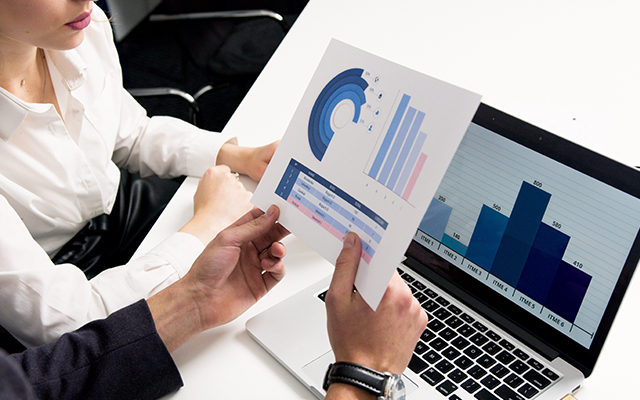
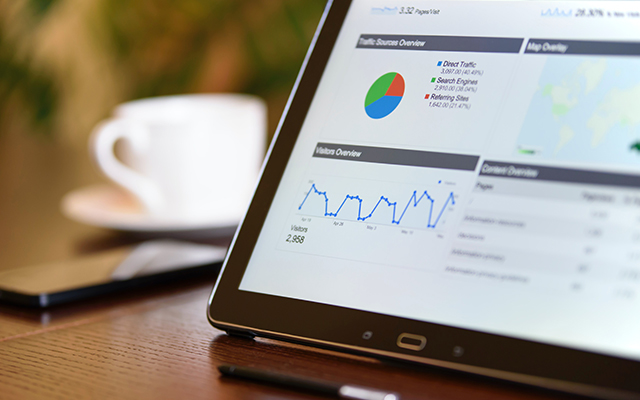
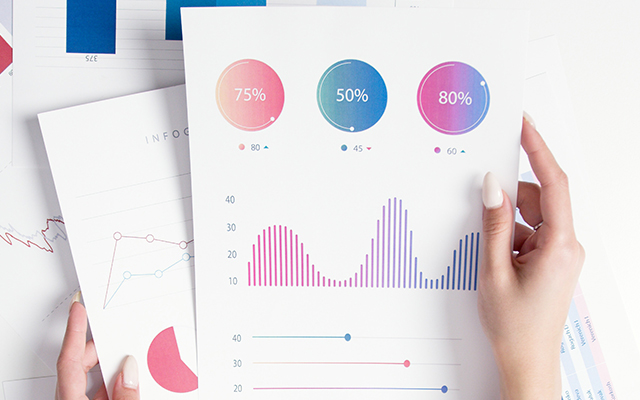
DECK IT, Ahmedabad, turns unstructured business data into structured, analysable data using machine learning and AI tools, so restructuring decisions are made on evidence. In a constantly evolving marketplace, business organizations are required to strategize and restructure their businesses in order to continue to stay relevant. The pace of change in the landscape often leaves businesses with lesser time to adopt to the changes. Hence, a proactive approach is needed that makes an objective analysis of the prevailing situations and make information-backed predictions about the future, so that the businesses can develop the required strategies through Data Analysis and Restructuring. With our Data Analysis & Restructuring solutions, business organizations gain useful insights processed from the myriad of data that they have, to be able to make prudent decisions that redefine the direction of the business. Organizations generate a lot of data as part of their regular operations. Amidst the heap of data is hidden important information that can offer varied perspectives to the business. Without proper structuring of the data and intelligence to identify the insights, such key information is lost. With their focus on developing the core competencies, companies rarely have the resources to invest in data analysis. Outsourcing to data specialists could help the organizations gain professional insights and make optimum use of the data. With our data analysis platforms, we bring new insights to our clients on a regular basis, help them identify and solve complex hidden issues, unlock new liquidity options and plan for the successful transformation of business processes. We use various Machine Learning, AI & HR platforms to develop a data analysis suite that aids in the restructuring the business. We have developed a whole range of functional data analytics solutions for business transformation and restructuring. We deploy complex data modeling tools and host information platforms that align multiple-stakeholders. Leveraging on the data analytics, the problems are pinpointed from across the large databases. This helps in the early identification of potential risks and generates the information needed for decision-makers to re-work the strategies. Our applications provide an interactive way of dealing with the data and offer higher flexibility to combine multiple sources and use them on various platforms so that you can instantly quantify the opportunities and respond accordingly.
Data analysis & restructuring
How does data analysis support business restructuring?
What makes DECK IT’s data analytics adaptive?
How do I get started with data analysis?

Alignment of multi-data sources

Flexible operations

Interactive tools and applications

Monitoring of progress

Live tracking and alerts

Effective risk management
Connect with us for a Free Consultation
DECK IT’s engineers look forward to working with you.








Clean up once, or build a pipeline?
Clean up once if the mess was a one-off; build a pipeline if the data arrives messy every week.
| One-off clean-up | Ongoing pipeline | |
|---|---|---|
| Fits when | A migration, a merger, one bad export | Data arrives messy on a schedule |
| Shape | Fixed price, scoped from a sample | Build once, then support |
| What you get | Usable data now | Usable data continuously |
| Prerequisite | Agreement on what each field means | The same agreement, written down |
Data analysis and restructuring: questions we get asked
What does data restructuring actually involve?
Taking data that is inconsistent, duplicated or spread across systems and making it usable: agreeing what each field means, resolving duplicates, fixing formats, and migrating it somewhere it can be queried. Most of the effort is in the agreeing, not the moving.
How long does a data project take?
Six to eight weeks for a contained dataset. Longer where the data spans several systems and nobody currently agrees on the definitions, because that agreement has to happen before any migration is safe.
What does it cost?
Most projects we quote fall between ₹5 lakh and ₹40 lakh, roughly $6,000 to $50,000, as a fixed price for a defined scope. A contained clean-up sits well below that; we scope it from a sample.
Can you work with data in the state it is in?
Yes — that is usually the point. Send a representative sample rather than a tidied version, because the messy parts are what determine the approach and the price.